


How agency-native financial data turns AI into practical intelligence

Agency intelligence promises faster answers about financial performance. But ask an AI tool a question about your agency, and a more important question follows: how much work did it take to prepare the data first?
For many agencies, the process is still surprisingly manual: export a report, upload a spreadsheet, explain the columns, add context, and repeat the exercise as soon as the information changes.
That may work for an isolated question. It is not a scalable model for running an agency. The answer is only as current as the export and only as reliable as the context supplied with it.
Agencies are not short on AI tools. The bigger challenge is giving those tools secure access to reliable financial and operational data they can understand.
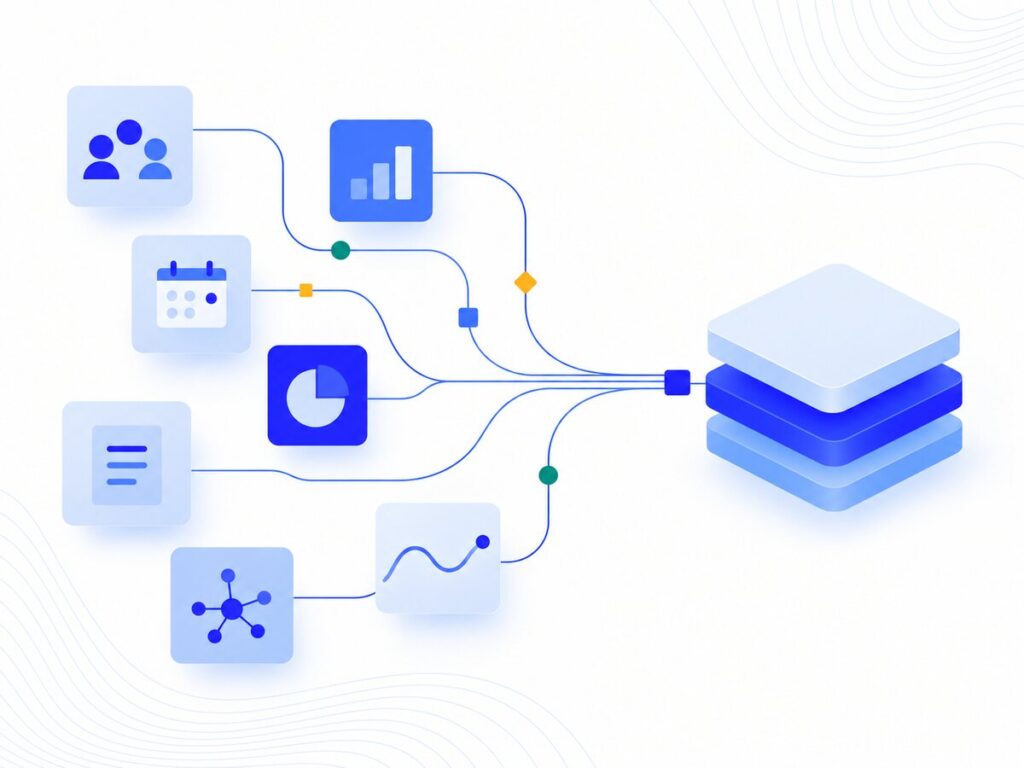
This is the opportunity behind Counta AI Connector. It connects approved AI tools to the agency-native data already managed in Counta. Authorized teams can ask questions, generate analysis, retrieve information, and complete supported tasks in plain language.
The AI does not need to start with an exported spreadsheet or interpret a generic ERP structure.
It works with data already organized around how agencies operate: clients, jobs, estimates, billing, time, resources, media, work in progress, revenue recognition, profitability, and financial close.
AI needs agency context
An agency is an interconnected web of people, processes, and financial decisions. Client service, project management, media, operations, resource management, and finance all contribute information that ultimately affects revenue, margin, cash flow, and client profitability.
Yet the meaning behind that information is highly specific to the agency business.
Take a job. It is more than a project number. It may carry an estimate, staffing plan, billing arrangement, revenue recognition method, purchase commitments, time and expenses, and work in progress.
The same is true of profitability. Revenue and cost totals do not tell the whole story. Is the agency evaluating performance by client, job, office, entity, department, service line, resource mix, or period? The answer depends on how that agency operates.
A general-purpose AI tool does not automatically understand these relationships. Give it disconnected tables or a generic financial schema, and it still has to determine how the data fits together and which business rules apply.
That is where an agency-native financial platform matters.
Counta already structures data around agency financial management. Through Counta AI Connector, approved AI tools can begin with the context they need to produce more relevant and dependable answers.
What agency intelligence can enable
Make financial intelligence more accessible
A straightforward financial question should not always require a new report, a technical query, or another request to the finance team.
With Counta AI Connector, an authorized user can ask questions in plain language. For example:
- Which clients are trending below their target margin?
- Show aged WIP by client and entity.
- Compare client profitability across offices over the last 12 months.
- Which jobs have incurred costs but have not yet been billed?
- Summarize the most significant revenue and cost variances this quarter.
Finance gets a faster starting point for analysis. Meanwhile, account leads, project owners, operational leaders, and executives can access the financial information appropriate to their roles.
The result is more than faster reporting. It is agency intelligence made accessible across the business.
Accelerate analysis without starting from scratch
Agency finance teams spend a significant amount of time extracting information, manipulating spreadsheets, packaging reports, and responding to follow-up questions. Then the data changes, and the process starts again.
Counta AI Connector can reduce that friction. An approved AI tool can retrieve the relevant Counta information, then help summarize, compare, or explain the results.
A finance leader might investigate a change in client profitability. An operations leader could review utilization and resource trends. Before a quarterly business review, an account lead could examine the financial position of a client portfolio.
Instead of starting with a blank report, teams can start with the business question.
Ground answers in Counta’s financial logic
Here is one of the most important distinctions of Counta AI Connector: the AI does not have to invent the financial logic.
When an AI tool requests client profitability, job cost and billing, aged WIP, or other supported information, Counta applies its established reporting logic. The AI supplies relevant parameters, such as client, office, job, entity, or reporting period. Counta then returns the appropriate information.
In other words, the AI does not reconstruct agency accounting concepts from raw data or independently decide how to calculate margin, WIP, or revenue.
It starts with the financial foundation the agency already uses.
Bring financial context into broader agency workflows
Financial information becomes even more valuable when teams can consider it alongside data from the agency’s wider technology environment.
An approved AI tool may also combine Counta context with information from project management, CRM, HRIS, media, or other connected systems. This opens the door to questions that cross traditional system boundaries.
For example:
- How does the current project scope compare with the approved estimate and actual costs?
- Which new-business opportunities resemble the agency’s most profitable existing clients?
- Are resource plans aligned with expected revenue and delivery requirements?
- Which client or job-level variances require attention before month-end?
Agencies do not need another isolated reporting destination. They need reliable financial context available within the AI tools and workflows their teams are beginning to use.
Reduce friction in everyday operations
Counta AI Connector also creates a foundation for AI-assisted operational work.
Authorized users can retrieve live operational information across supported areas of Counta. They can also complete approved actions, including creating and updating time entries and creating, updating, or deleting jobs. Counta validates the information against existing settings, while each user remains within their established permissions.
This is an important progression. AI can move beyond explaining information and begin assisting with controlled, everyday work.
The broader opportunity is to help agency teams move more efficiently from a question to an insight, and then to the appropriate approved action.
One connection to the agency’s financial and operational foundation
Counta AI Connector is built on the Model Context Protocol (MCP), an open standard that allows AI applications to connect with external data sources, tools, and workflows.
It provides approved AI tools with a governed connection to supported Counta data and workflows. Through that connection, teams can retrieve current information, use Counta’s established business logic, and complete authorized actions without creating a separate AI data model.
Governed access is foundational
Connecting AI to financial data requires more than technical access. It requires control. Who can see the information? Which actions can they take? And do the same rules apply when they work through an AI tool?
Counta AI Connector works within the agency user’s existing Counta permissions. It does not give an AI assistant unrestricted access to financial information or create a separate set of user rights.
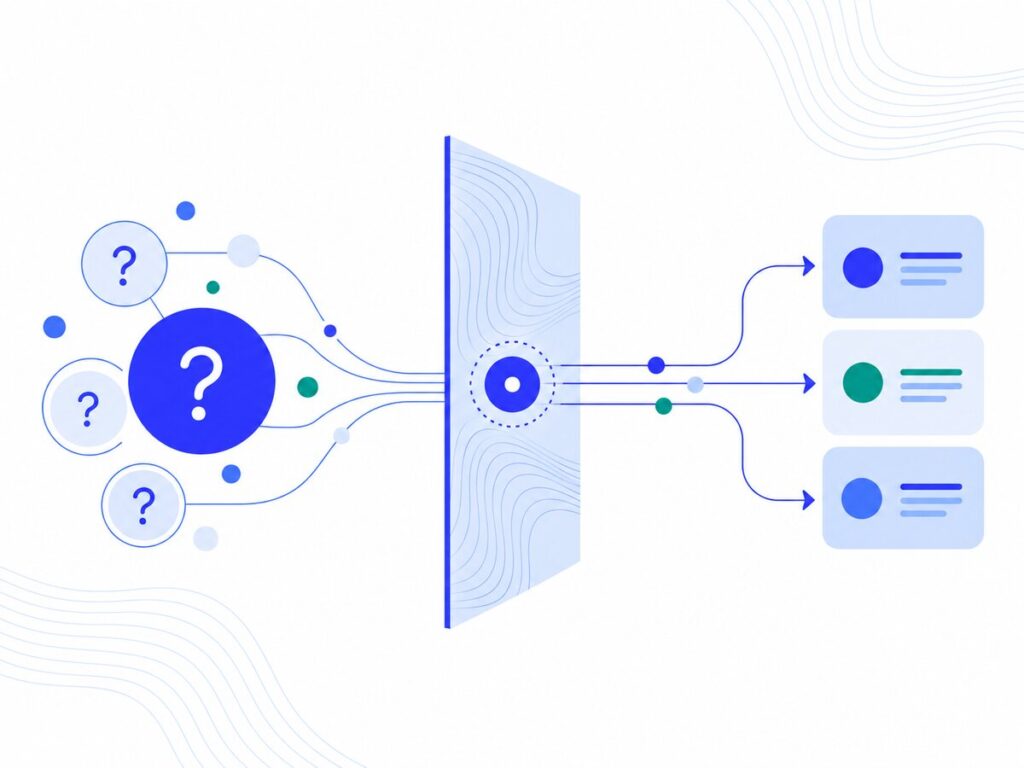
Each person remains subject to the same access controls that govern their work in Counta.
That matters for any agency. It is especially important for organizations operating across multiple offices, entities, currencies, and brands. They may need to segment financial visibility carefully while still supporting consolidated analysis.
AI becomes far more valuable when it can reach the right information. But that value depends on the right governance being in place.
Building the financial foundation for agency AI
Let’s be clear: AI will not create financial accountability on its own. It cannot compensate for disconnected processes, inconsistent data, or systems that do not reflect how an agency actually operates.
Connect AI to structured, governed, agency-native financial data, however, and it can surface insights faster, reduce reporting bottlenecks, improve collaboration, and support better-informed decisions.
That is the foundation of practical agency intelligence – and what Counta AI Connector is designed to enable.
It connects the AI tools agencies are adopting with the financial intelligence already running their business. That is how AI moves from a standalone experiment to a practical extension of the agency’s operating platform.
See how Counta AI Connector brings agency-specific financial data, reporting logic, and approved workflows into the AI tools your agency team already uses.
