
Categories
Blog

How Agencies Can Achieve Quick Wins During Financial Platform Implementation

Transitioning to new technology often conjures images of confusion, frustration, and lost productivity. But here’s the twist: it doesn’t have to be that way. With the right strategies in place, implementing a financial platform can transform a daunting process into an opportunity for immediate success.

Quick Wins During Financial Platform Implementation

When embarking on a financial platform implementation, achieving quick wins can set the tone for success. These early victories are critical for building momentum, fostering user confidence, and ensuring that the transition is as smooth as possible. Quick wins not only help teams adapt to the new system but also demonstrate the immediate value of the platform to stakeholders. By prioritizing the right strategies, organizations can maximize efficiency, reduce disruption, and pave the way for long-term benefits.

Rapid Onboarding

Transitioning to a new system or process can often feel daunting, but with expert support, organizations can achieve immediate success. Rapid onboarding is crucial for minimizing downtime and ensuring that teams can start realizing benefits right away.

  • Dedicated Onboarding Specialists: Having a dedicated onboarding specialist can make a significant difference. These experts guide teams through the initial setup, addressing questions and concerns in real time. This personalized support helps to alleviate anxiety and fosters confidence in using the new system.
  • Structured Onboarding Plans: A well-defined onboarding plan outlines each step of the process, ensuring that nothing is overlooked. This plan typically includes timelines, key milestones, and responsibilities, which helps keep everyone on track.
  • Immediate Access to Resources: Providing immediate access to resources such as user manuals, FAQs, and video tutorials can empower team members to learn at their own pace. This self-service approach complements the hands-on support from specialists, creating a comprehensive onboarding experience.

By focusing on rapid onboarding, organizations can ensure that their teams are prepared and excited to engage with new tools and processes.

Pre-Built Workflows

One of the most significant barriers to effective implementation is the complexity of setting up new workflows. Pre-built workflows can simplify this process, allowing teams to hit the ground running.

  • Templates for Common Processes: Pre-built templates for common tasks and processes can save time and reduce errors. For instance, a marketing team might use a pre-built campaign workflow that includes steps for planning, execution, and analysis. This allows them to focus on creativity rather than getting bogged down in logistics.
  • Customization Options: While templates provide a solid foundation, the ability to customize these workflows is essential. Teams can adapt templates to fit their unique needs, ensuring that the workflows align with their specific objectives and processes.
  • Integration with Existing Tools: Pre-built workflows that integrate seamlessly with existing tools can enhance productivity. For example, workflows within Accountability can connect with AI tools, enabling teams to streamline collaboration efforts without having to switch between multiple applications.

Pre-built workflows are more than just time-savers—they provide teams with a structured framework that promotes consistency and efficiency. By leveraging these workflows, organizations can significantly reduce the time and effort required for setup, allowing teams to focus on delivering results.

Holistic Training

Transitioning seamlessly between onboarding and workflows requires a robust training program. Hands-on training is a critical component of successful implementation. It not only drives team adoption but also ensures that everyone is equipped with the skills needed to maximize the financial platform's potential.

  • Interactive Training Sessions: Interactive training sessions that involve real-time participation can enhance learning. These sessions allow team members to ask questions, engage in discussions, and practice using the new system in a supportive environment.
  • Role-Specific Training: Tailoring training to specific roles within the organization can improve relevance and effectiveness. For example, sales teams may require different training than finance teams, focusing on the features and functionalities that are most pertinent to their daily tasks.
  • Ongoing Support and Resources: Training shouldn’t end after the initial rollout. Providing ongoing support, such as refresher courses and access to updated resources, can help teams stay current with new features and best practices. This commitment to continuous learning fosters a culture of adaptability and growth.
  • Gamification for Engagement: Introducing gamification elements into training can boost engagement and retention. For instance, awarding points or badges for completing training modules can create a sense of achievement and encourage healthy competition among team members.

By implementing holistic training strategies, organizations can ensure that their teams are not only prepared to use new tools but are also motivated to embrace them fully.

Additional Considerations for Successful Financial Platform Implementation

While rapid onboarding, pre-built workflows, and holistic training are crucial, organizations should also consider these additional factors to ensure a smooth implementation:

  • Change Management: A well-thought-out change management strategy can ease the transition for employees. Clear communication about the benefits of the new financial platform and addressing concerns early can build trust and reduce resistance.
  • Performance Metrics: Establishing key performance indicators (KPIs) helps track the success of the implementation. Metrics such as user adoption rates, task completion times, and error reduction can provide valuable insights into areas for improvement.
  • Feedback Loops: Encouraging continuous feedback from users ensures that any issues are promptly addressed. Regular check-ins and surveys can help identify pain points and opportunities for system enhancements.

By addressing these considerations, organizations can create an environment where teams feel supported and empowered to succeed.

Quick Wins for Lasting Financial Platform Implementation Success

As teams become comfortable with the new financial platform, the benefits extend beyond immediate functionality. Accountability’s seamless integration capabilities and user-friendly design ensure that your teams can continue to innovate and thrive.

Transitioning between implementation phases should be smooth and strategic. Remember, the goal is to minimize disruptions while maximizing efficiency. Teams that adopt these strategies will not only see faster results but also foster a culture of collaboration and innovation.

  • Scalable Solutions: As your organization grows, a robust financial platform like Accountability can scale to meet your evolving needs. This scalability ensures that your investment remains valuable in the long term.
  • Cross-Departmental Collaboration: Leveraging a financial platform that promotes transparency and collaboration can break down silos between departments. This fosters a more unified and productive work environment.

Unlock rapid results for your team with streamlined onboarding and expert support. Request a free demo today and discover how Accountability can transform your financial platform implementation.
Categories
Blog

Why Control Over Your Time and Expenses is the Key to Agency Growth

Success in business depends significantly on mastering the tools and resources that fuel growth. When time is wasted and expenses spiral out of control, progress becomes uncertain. Imagine running a marathon blindfolded—without visibility or control, reaching the finish line feels impossible. Agency cost-tracking software offers a transformative way to manage your agency’s operations.

This robust platform empowers you to track time accurately, analyze resource utilization, and oversee expenses in real time. With these capabilities at your disposal, growth becomes more than just an ambition but a well-charted journey. By taking control of the key metrics that drive success, Accountability helps you turn challenges into opportunities for advancement.

Key Areas to Control

To unlock the full potential of your agency, it’s essential to focus on areas that directly influence growth and efficiency. By implementing strategic control measures, you can gain clarity, reduce waste, and optimize operations. Let’s explore how Accountability’s agency cost-tracking software helps you manage these critical components effectively:

Time Tracking

Accurate time tracking is essential for any agency aiming to maximize productivity and profitability. Accountability’s agency cost-tracking software is designed to capture precise billable hours, ensuring every minute spent on client work is accounted for. This capability not only aids in billing clients accurately but also provides insights into how time is allocated across projects.

Agency cost-tracking software

Benefits of effective time tracking include enhanced billing accuracy, reduced disputes, and increased client trust. Managers gain valuable insights into project time consumption, enabling more strategic resource allocation. Additionally, fostering employee mindfulness about time usage leads to heightened productivity and efficiency.

A significant advantage of precise time tracking is its role in forecasting future needs. By analyzing historical data, agencies can predict trends, prepare for busy periods, and ensure adequate resources are available to meet client demands. This proactive approach reduces bottlenecks, enhances client satisfaction, and ensures projects are delivered on time and within scope.

Resource Utilization

Optimizing resource utilization is vital for improving efficiency and ensuring financial sustainability. Accountability’s agency cost-tracking software offers comprehensive insights into team performance and resource allocation. These insights empower managers to make informed decisions about task distribution and workload balancing.

Through detailed reports, managers can identify high-performing teams and those needing additional support. They can also assess resource allocation to avoid underutilization or overburdening. By evaluating project efficiency, agencies can determine which initiatives offer the best return on investment.

Additionally, resource utilization insights help agencies identify skill gaps within teams. Targeted training programs can address these gaps, boosting overall effectiveness. Insights also guide hiring decisions, ensuring new team members meet specific organizational needs. Leveraging these tools fosters an environment of accountability, boosts morale, and ensures every resource contributes to the agency’s success.

Agency cost-tracking software

Expense Management

Expense management is a cornerstone of financial health for any business. Accountability’s agency cost-tracking software delivers real-time visibility into expenses, enabling agencies to monitor spending as it happens. This proactive approach allows businesses to identify unnecessary costs before they escalate.

Real-time expense tracking ensures immediate cost control, allowing managers to address budget overruns promptly. Access to up-to-date financial data supports better forecasting and planning, aligning budgets with actual spending patterns. Accurate budgeting helps allocate funds effectively to priority areas, enhancing operational efficiency.

Over time, real-time expense tracking impacts long-term financial planning. By analyzing spending patterns, agencies can identify recurring costs for optimization or renegotiation. Improved vendor management also becomes possible, enabling service consolidation and cost savings. These financial gains can be reinvested into growth initiatives, fueling continuous improvement.

Using Accountability for expense management reduces waste, strengthens the bottom line, and fosters a culture of precision and strategic decision-making.

Fuel Growth with Agency Cost-Tracking Software

By leveraging Accountability’s agency cost-tracking software for precise time tracking, optimizing team efficiency, and maintaining real-time expense visibility, agencies can transform chaos into clarity. These tools empower businesses to make informed decisions that drive sustainable growth.

Take the first step toward streamlined success by embracing Accountability’s comprehensive platform. Request a free demo today to learn more about our platform, and how it helps unlock the full potential of agency cost-tracking software to fuel your agency’s growth.

Categories
Blog

How Agencies Can Achieve More with Less: Automating Time, Expense, and Job Management

Workflow automation is a game-changing solution that not only streamlines operations but also empowers teams to focus on what truly matters—delivering exceptional results. As we delve into the transformative power of workflow automation, prepare to discover how it can redefine your agency’s success, turning chaos into a well-oiled machine.

How Workflow Automation Drives Results

Workflow automation is a strategic approach to enhancing productivity and driving measurable results. By eliminating manual, repetitive tasks, automation frees up valuable time and resources, enabling teams to concentrate on high-impact activities. Agencies that embrace these tools often find themselves better equipped to adapt to market demands, meet tight deadlines, and exceed client expectations. The following sections explore key areas where automation makes a profound difference.

Automated Time Tracking

In the fast-paced world of agency work, accurate time tracking is crucial for productivity and profitability. Workflow automation transforms how teams manage their time, particularly with tools like Accountability that simplify this process. With its user-friendly interface, team members can log hours in real time, ensuring that no minute goes unaccounted for.

Automated time tracking offers several key advantages:

  • Real-Time Logging: Employees can record their hours as they work, reducing the risk of forgotten tasks.
  • Mobile Accessibility: Designed for on-the-go professionals, time tracking becomes effortless no matter where they are.
  • Automated Reminders: Notifications prompt users to log their hours, ensuring compliance and accuracy.

By implementing these solutions, agencies enhance accountability among team members, fostering a culture of responsibility. Real-time data provides management with precise insights for project assessments and billing. This results in a more streamlined workflow that minimizes errors and maximizes efficiency.

Moreover, time-tracking automation helps create better client relationships. Accurate time logs provide transparency when invoicing clients, building trust and ensuring alignment on project timelines and costs. This level of detail can differentiate agencies in a competitive marketplace, making time-tracking tools invaluable for long-term growth.

Seamless Expense Reporting

Expense management often feels like a necessary but tedious chore, fraught with manual entries and lengthy approval processes. Workflow automation simplifies this dramatically, allowing employees to submit expenses with ease and managers to approve them quickly.

Automated expense reporting provides the following benefits:

  • Simplified Submission: Employees can upload receipts and categorize expenses instantly.
  • Faster Approvals: Automated workflows route reports to the appropriate approvers without unnecessary delays.
  • Enhanced Visibility: Managers gain real-time insights into spending patterns, enabling informed budget decisions.

Consider an agency with frequent travel requirements for client meetings. Automated expense reporting enables team members to snap photos of receipts and submit them on the go. This eliminates paper trails, reduces the time spent on reconciliation, and ensures accurate record-keeping. Agencies maintain tighter control over their budgets while freeing employees to focus on delivering client value.

In addition to improving efficiency, automated expense tools also provide critical data for financial forecasting. By analyzing patterns in expense reports, agencies can identify opportunities for cost-saving measures and optimize resource allocation. This proactive approach can have a significant impact on profitability, ensuring every dollar spent contributes to the agency’s strategic goals.

Integrated Job Management

Effective project oversight is essential for delivering quality results on time and within budget. Accountability’s integrated job management features provide real-time insights into project status, resource allocation, and team performance. This holistic approach ensures seamless handling of multiple projects.

The advantages of integrated job management include:

  • Centralized Dashboard: A single hub for all project-related information allows for easy tracking and updates.
  • Resource Allocation: Managers can view team availability and assign tasks efficiently, optimizing productivity.
  • Performance Metrics: Real-time data highlights bottlenecks and areas for improvement, enabling proactive management.

Imagine an agency managing several client campaigns simultaneously. Integrated job management offers clarity on which tasks are on schedule and which require immediate attention. Managers can make informed decisions and intervene when necessary, ensuring deadlines are met without sacrificing quality. Additionally, analyzing performance metrics promotes a culture of continuous improvement, enabling teams to refine their processes for future projects.

Beyond managing current projects, job management automation can also assist in long-term planning. With historical data readily available, agencies can forecast resource needs, set realistic timelines, and anticipate potential challenges. This level of foresight ensures that agencies are always prepared to meet client demands, even as workloads fluctuate.

The Role of Collaboration Tools in Workflow Automation

Automation doesn’t exist in isolation and works best when paired with collaborative tools that foster communication and teamwork. Integration capabilities allow platforms like Accountability to seamlessly connect with popular collaboration and AI tools, creating a unified ecosystem where information flows effortlessly.

For example, automated job management becomes even more powerful when paired with AI-driven task prioritization tools. Teams can focus on high-impact activities while automation handles repetitive scheduling and task updates. This synergy boosts productivity and ensures that everyone remains aligned on project goals and deadlines.

Embrace the Future of Efficiency with Workflow Automation

In a world where disconnected tools can drain productivity, workflow automation emerges as a game-changer for agencies. By harnessing automated time tracking, seamless expense reporting, and integrated job management, teams can work smarter, not harder. These tools don’t just streamline processes—they empower agencies to focus on what truly matters: delivering exceptional results for clients.

Reflect on the insights shared and consider how implementing these automation strategies can transform your workflow. Don’t let inefficiencies hold your agency back. Embrace workflow automation today and transform your operations. Request a free demo and discover how Accountability can redefine your success.

Categories
Blog

The Cost of Complexity: How Simplifying Financial Management Saves Your Agency Time and Money

For creative agencies, time is money, and complexity can be a silent killer. Disjointed workflows and overly complicated tools waste valuable resources, leaving teams overwhelmed and unproductive. Accountability is here to cut through the clutter and simplify financial management. Imagine transforming tedious tasks into seamless processes, freeing your team to focus on what they do best: creating.

Streamlining Financial Management for Creative Agencies

Accountability helps you embrace a philosophy of simplification. By automating time and expense tracking, centralizing financial data, and optimizing expense management, you’re setting the stage for a more efficient operation. It’s like trading in a clunky old car for a sleek, modern vehicle—suddenly, you’re cruising down the highway instead of stuck in traffic. Let’s dive into three ways simplification can save your agency.

1) Automate Time and Expense Tracking

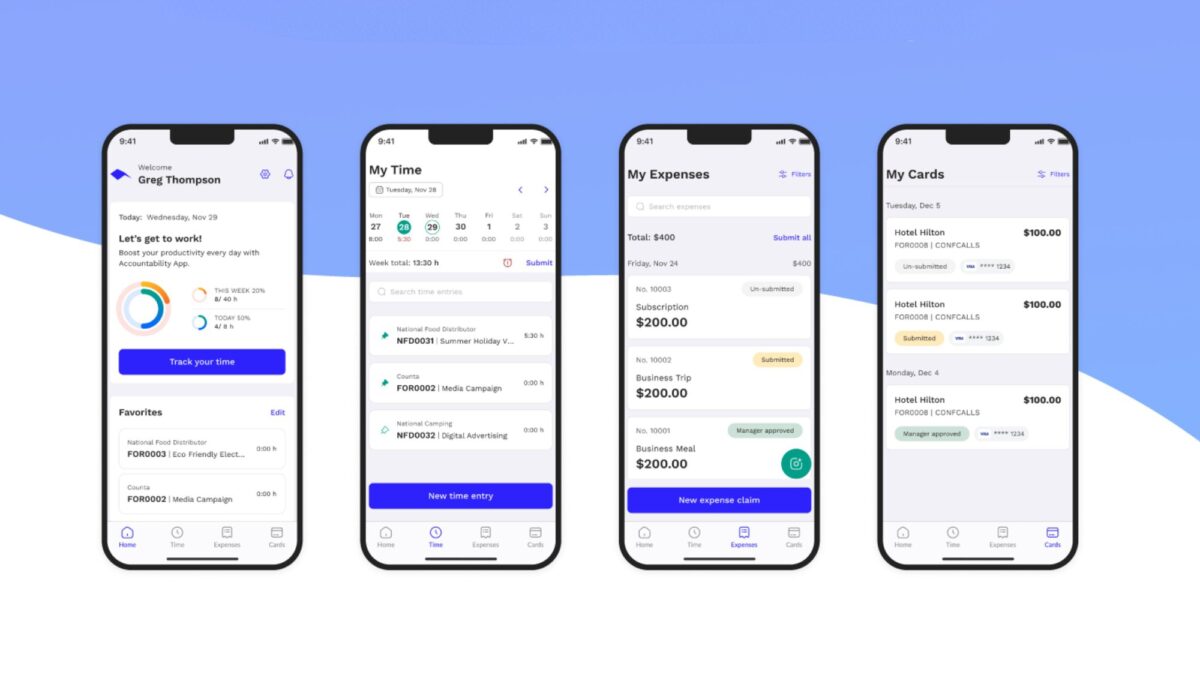
In the fast-paced world of creative agencies, time is a precious commodity. Accountability’s mobile app revolutionizes how teams track their time and expenses by enabling real-time tracking. This feature eliminates the need for cumbersome spreadsheets and manual entry, allowing team members to log their hours and expenses on the go.

With instant updates, users can input their time and expenses as they occur, ensuring no detail is overlooked. This immediacy enhances accuracy and reduces the likelihood of forgotten entries. Additionally, the user-friendly interface makes tracking an intuitive part of the workflow, whether you’re in a meeting, on a shoot, or working remotely.

Financial management

By linking time and expenses directly to specific projects, Accountability provides valuable insights into profitability and resource allocation. These connections inform better decision-making for future projects and client engagements, giving your agency a competitive edge.

2) Centralize Financial Data

Managing financial data from multiple sources can be daunting. Accountability’s dashboards provide a unified source of financial truth, consolidating all relevant data into one accessible location. This centralization is essential for effective financial management.

The platform’s comprehensive dashboards offer visual representations of key financial metrics, such as revenue, expenses, and profit margins. These visuals enable agency leaders to quickly assess the financial health of their projects and overall business. Real-time insights allow for prompt responses to financial changes, whether it’s adjusting budgets or reallocating resources.

Customizable reports ensure that each team member can focus on the metrics that matter most to them. This tailored approach streamlines access to critical information, reducing time spent sifting through irrelevant data. In short, centralized financial data fosters agility and precision.

Furthermore, centralizing financial data creates opportunities for collaborative financial planning. By having a single source of truth, team leaders and finance professionals can work together more effectively, ensuring alignment between creative objectives and budgetary constraints. This cohesion enables agencies to respond dynamically to challenges and seize new opportunities with confidence.

3) Optimize Expense Management

Expense management is often a complex and time-consuming process. Accountability’s automated reporting features significantly improve visibility and control over expenses, making it easier for agencies to manage budgets effectively.

Automated reporting generates detailed expense reports without manual intervention, saving time and reducing human error. This automation allows finance teams to focus on analysis and strategy rather than data entry. Enhanced visibility into spending patterns helps identify cost-saving opportunities and ensures budgets are adhered to.

Additionally, streamlined approval workflows facilitate smooth expense processing. Team members can submit expenses directly through the platform, and managers can approve them with just a few clicks. This efficiency reduces delays and keeps projects on track, ensuring your agency operates at peak performance.

Accountability also provides tools for expense categorization and trend analysis, allowing agencies to gain deeper insights into their financial habits. By understanding where resources are being allocated, decision-makers can prioritize investments that drive growth and cut back on non-essential expenditures. This proactive approach ensures long-term financial sustainability.

Enhancing Financial Agility Through Integration

Simplified financial management becomes even more powerful when integrated with other tools your agency relies on. Accountability’s ability to connect seamlessly with AI and project management tools ensures that your financial workflows remain synchronized with operational activities. This integration eliminates redundancies and promotes a cohesive ecosystem where financial data supports every aspect of your agency’s performance.

Financial management platform

For example, linking Accountability with project management tools enables agencies to track project budgets in real-time, ensuring that financial goals align with creative deliverables. Integration with AI-powered analytics tools can further enhance forecasting and strategic planning, providing actionable insights to drive profitability.

By fostering an interconnected workflow, Accountability empowers agencies to adapt quickly to market changes, client demands, and internal shifts. This agility not only saves time but positions your agency as a forward-thinking leader in the creative space.

Streamline Agency Success with Financial Management

In a world where complexity reigns, simplifying financial workflows is not just a luxury—it’s a necessity. Leveraging Accountability’s mobile app for real-time tracking, centralizing financial data, and optimizing expense management can transform chaos into clarity. These tools empower your agency to focus on what truly matters: creativity and growth.

Take a moment to reflect on your current processes. Are they working for you or against you? Embrace the power of simplification and watch your efficiency soar. In the fast-paced realm of creative agencies, the right tools can turn potential pitfalls into stepping stones for success. Simplify your financial management with Accountability and unlock your team’s full potential. Request a free demo today!

Categories
Blog

Embrace Change Anytime: Transform Your Agency’s Financial Management with Accountability

For agencies aiming to modernize their financial operations, the time to act is now. Many still cling to the misconception that financial platform migrations must happen at year-end, but this outdated notion limits growth opportunities. Embracing change on your own schedule unlocks financial clarity, operational efficiency, and a strategic edge.

With innovative solutions like Accountability, agencies can transition seamlessly, avoid the stress of rigid timelines, and take control of their financial management whenever it suits them best.

Why You Shouldn’t Wait to Upgrade Your Finance Software

The idea that platform migrations must align with year-end is as outdated as fax machines. In reality, starting the transition sooner provides a competitive advantage, allowing agencies to fine-tune processes without the added pressure of fiscal deadlines. Delaying the switch often leads to unnecessary stress and missed opportunities to optimize workflows.

By adopting a proactive approach, your agency can benefit from Accountability’s seamless onboarding, which simplifies transitions and sets the stage for greater success. Modernizing your financial processes now is about staying ahead—not just catching up.

Transition Without Disruption

Switching financial platforms doesn’t need to follow the rigid confines of a fiscal calendar. Accountability’s cloud-based tools are designed to facilitate onboarding at any time of the year, offering unmatched flexibility. Unlike legacy systems that require extensive downtime or specific migration windows, Accountability empowers agencies to initiate transitions when it’s most convenient.

With Accountability, agencies can migrate during quieter periods, bypassing the stress associated with traditional year-end tasks. Its cloud infrastructure ensures uninterrupted daily operations, while the intuitive interface minimizes learning curves, making the transition a smooth experience for your entire team.

Transitioning mid-year also means inefficiencies can be addressed immediately, allowing the new platform to integrate seamlessly into existing workflows. This flexibility reduces stress and positions agencies to take full control of their financial operations on their own terms.

Unlock Value Instantly

Accountability’s financial management platform delivers immediate benefits upon onboarding. With real-time dashboards, agencies gain enhanced financial visibility and decision-making capabilities. In today’s fast-paced environment, agility and responsiveness are crucial drivers of success.

The platform’s customizable dashboards provide insights tailored to your agency’s needs—whether it’s cash flow management, budget tracking, or profitability analysis. This personalized approach empowers your team to focus on metrics that matter most, improving day-to-day operations and enabling timely strategic adjustments.

Moreover, Accountability promotes cross-departmental collaboration by simplifying data sharing and creating a culture of transparency. This ensures that teams are aligned and empowered to achieve shared goals while staying ahead of challenges and capitalizing on opportunities.

Start Strong with Pre-Built Workflows

The start of any transformation brings opportunities to refine and improve processes. Accountability’s pre-built workflows are designed to accelerate onboarding and ensure your agency optimizes its operations from day one. These workflows incorporate industry best practices, streamlining tasks and reducing the time spent on setup and training.

As your agency grows, these workflows adapt to accommodate new projects, clients, and team members. This scalability ensures that Accountability evolves with your organization, offering consistent support and maximizing operational efficiency.

By simplifying complex financial processes, Accountability allows agencies to focus on what they do best—delivering exceptional client work. Transitioning now ensures you’ll have the tools and confidence to tackle future challenges with ease.

Embrace Innovation and Modernize Today

Why wait for arbitrary timelines to improve your agency’s financial management? Accountability’s flexible onboarding, real-time dashboards, and pre-built workflows make it the ideal partner for agencies looking to modernize. By embracing change now, you can unlock new efficiencies, enhance collaboration, and drive better outcomes for your agency.

Take control of your financial operations today. Request a free demo and experience how Accountability can transform your agency’s financial management on your schedule

Categories
Blog

How to Migrate to Accountability Without Disrupting Your Agency’s Operations

As agencies brace for the inevitable chaos of platform transitions, the fear of disruption looms large. Yet, the path to seamless software migration is not only achievable but also an opportunity for growth. With a structured plan and the right tools, this journey can be transformed into a streamlined experience that fortifies your operations. Prepare to embrace a migration that empowers rather than impedes.

Key Steps for Disruption-Free Software Migration

Migrating to a new software platform doesn’t have to be synonymous with operational downtime or confusion. The right approach ensures your agency remains functional and adaptable throughout the process. By focusing on strategic planning, leveraging advanced tools, and fostering collaboration, your migration journey can become a blueprint for success rather than a source of stress. The following steps highlight how Accountability can help facilitate a smooth transition.

Structured Migration Plan

A well-structured software migration plan is essential for minimizing disruptions during the transition to a new platform. Accountability offers a comprehensive, step-by-step approach that ensures your agency's operations continue running smoothly. This plan is designed to address potential challenges before they arise, allowing your team to focus on their core responsibilities rather than getting bogged down by technical issues.

Establishing a structured migration begins with assessing your current systems. By identifying what works well and what requires improvement, your agency can prioritize tasks and craft a focused strategy. Next, develop a clear timeline that outlines milestones, deadlines, and assigned responsibilities. A well-defined schedule keeps everyone aligned and on track. Additionally, implementing risk management practices ensures your agency is prepared for any unexpected challenges during the software migration process. By combining these elements, a structured migration plan allows for effective navigation of platform transitions while maintaining operational continuity.

Effective communication is another critical component of a structured plan. Regular updates and check-ins with team members ensure that everyone is informed and engaged throughout the migration process. Accountability’s platform enables streamlined communication channels, making it easier for teams to stay aligned and address concerns promptly. By fostering open communication, agencies can avoid potential bottlenecks and ensure a smooth transition.

Agency Experts Make Implementation Seamless

At Accountability, we understand agencies inside and out. Our team consists of industry veterans who have worked with or for agencies, giving them a deep understanding of the unique challenges and workflows that define the industry. This expertise allows us to tailor our implementation process to your specific needs, ensuring a smooth and efficient transition.

From onboarding to post-migration support, our people know the minute details that can make or break a migration. With Accountability, you’re not just adopting new software—you’re partnering with a team that knows your business and is committed to your success. This hands-on, agency-native approach minimizes disruption and sets your agency up for long-term growth.

Automated Data Transfer

Data transfer is often one of the most intimidating aspects of software migration. Accountability simplifies this process through automated data transfer, utilizing pre-populated templates that streamline imports and reduce manual effort. This approach not only saves time but also minimizes the risk of errors, allowing your team to focus on strategic priorities.

The pre-populated templates provided by Accountability are designed to accommodate various data types, making it easier to transfer information without extensive manual adjustments. Built-in validation checks ensure that all imported data is accurate and complete, maintaining data integrity throughout the migration. Additionally, these templates are customizable, allowing agencies to tailor the process to their specific needs. By employing automated data transfer, your agency can eliminate much of the stress and complexity associated with data migration, paving the way for a seamless transition.

Data mapping is another key feature of Accountability’s automated transfer process. This involves aligning data fields from your old platform to the new system, ensuring consistency and accuracy. Accountability’s intuitive interface simplifies this step, allowing your team to complete the process efficiently. Furthermore, post-migration audits help verify that all data has been transferred correctly, giving your agency confidence in the integrity of its information.

Seamless Software Migration Ahead

Migrating platforms doesn’t have to feel like navigating a minefield. With Accountability’s structured software migration plan, cloud-based flexibility, and automated data transfer, your agency can ensure a smooth transition that keeps operations running without disruption. The key lies in meticulous planning and leveraging tools that simplify the process and enhance team collaboration.

As you embark on your migration journey, remember to prioritize planning, utilize cloud-based solutions, and automate wherever possible. These strategies will not only minimize disruptions but also position your agency for long-term success. Take this opportunity to reimagine your operations, unlock new efficiencies, and elevate your capabilities. Request a free demo today and discover how Accountability can transform your migration experience.

Categories
Blog

Breaking the Myth: Why Moving to a New Financial Management Platform Isn’t as Hard as You Think

As migration fears loom large, misconceptions about downtime, data loss, and operational disruption can paralyze organizations. Yet, the truth is that success in transitioning to platforms like Accountability hinges not on these unfounded anxieties but on meticulous strategic planning. Embracing this perspective reveals that the path to seamless software migration is not only achievable—it’s an opportunity waiting to be seized.

With an expert-led approach and a focus on minimizing disruption, Accountability empowers organizations to embrace migration as a strategic opportunity. By leveraging proven strategies and tools, the path to your new platform can be manageable and transformative. Let’s explore how migration fears can be transformed into a launchpad for growth.

Strategies for a Smooth Transition

Migrating to a new software platform can seem daunting, but with the right strategies in place, the process can be seamless and efficient. Accountability understands the complexities involved in such transitions and has developed a structured approach to ensure that software migration is smooth and successful.

Software migration

Plan Migration in Phases

One of the most effective ways to manage software migration is to break the process down into manageable phases. This phased approach allows organizations to focus on one aspect of the migration at a time, reducing the risk of overwhelming staff and minimizing disruptions to daily operations. Transitioning in phases also enables teams to test and optimize each step, ensuring that progress aligns with organizational goals and timelines.

Pre-Configured Templates

Accountability offers pre-configured templates that simplify the data import process. These templates are designed to accommodate various data types and formats, ensuring that your information is accurately transferred without the need for extensive manual adjustments. By utilizing these templates, organizations can:

  • Reduce Data Entry Errors: Automated processes minimize the chances of human error during data entry.
  • Save Time: Pre-configured templates expedite the import process, allowing for quicker transitions.
  • Enhance Data Integrity: Ensuring that data is correctly formatted and categorized helps maintain its integrity throughout the migration.

By planning your software migration in phases and leveraging these templates, organizations can ensure a smoother transition to the new platform.

Leverage Expert-Led Onboarding

Another critical component of a successful software migration is the support provided during the onboarding process. Accountability recognizes that navigating a new platform can be challenging, which is why we offer expert-led onboarding to guide organizations every step of the way.

Implementation Specialists

Accountability’s implementation specialists are seasoned professionals who bring a wealth of experience to the migration process. They work closely with your team to ensure that every aspect of the transition is handled with care and precision. The benefits of having an implementation specialist include:

  • Personalized Guidance: Specialists tailor their approach to meet the unique needs of your organization.
  • Training and Support: Comprehensive training sessions equip your staff with the knowledge they need to use the new platform effectively.
  • Ongoing Assistance: Even after the initial software migration, specialists remain available to address any questions or concerns that may arise.

With expert-led onboarding, organizations can feel confident that they are not navigating the transition alone, significantly reducing anxiety and uncertainty.

Flexible Timing

The flexibility of the migration process is another advantage that Accountability offers. With a cloud-based architecture, organizations can migrate their data at a time that suits their operational needs.

Anytime Migration

The ability to migrate anytime means that organizations can choose to transition during off-peak hours or when it is most convenient for their staff. This flexibility allows for:

  • Minimized Disruption: By scheduling migrations during low-traffic periods, organizations can maintain their daily operations without significant interruptions.
  • Adaptability: Organizations can adjust their migration timeline based on their specific circumstances, ensuring that the transition aligns with their strategic goals.
  • Scalability: As your organization grows, the cloud-based architecture allows for easy adjustments and expansions, making future migrations simpler.

By taking advantage of flexible timing, organizations can ensure that their software migration process is as smooth and efficient as possible.

Simplify Software Migration with Accountability

Migrating to a new platform does not have to be a source of stress or anxiety. Organizations can confidently navigate the transition by planning the migration in phases, leveraging expert onboarding, and utilizing flexible timing. Accountability’s structured approach ensures that your software migration is smooth and sets the stage for future growth and success.

So, take a moment to assess your current systems. Are they holding you back? If the answer is yes, it’s time to explore the tailored solutions offered by Accountability. Embrace this chance to elevate your operations and watch your agency thrive. Request a free demo today.

Categories
Blog

Scaling Agencies with Native ERP: A Success Formula

Steering an agency’s growth can feel like navigating uncharted waters. The journey demands foresight, flexibility, and robust tools to handle the growing complexities of financial operations. Without the right systems in place, challenges like fragmented data, fluctuating currencies, and inefficient workflows can become insurmountable obstacles. However, ERP solutions such as Accountability redefine what’s possible for scaling agencies, offering seamless integration and powerful financial tools to foster sustainable growth.

With Accountability as your operational backbone, you can streamline processes, maintain financial clarity, and build a resilient foundation for expansion. Here’s how it simplifies the scaling process and empowers agencies to thrive.

Overcoming the Challenges of Scaling with ERP Solutions

Expanding operations often introduces complexities that can strain existing systems, such as managing international transactions, ensuring data accuracy, and adapting to evolving workflows. Accountability’s ERP solutions tackle these issues head-on, turning potential roadblocks into stepping stones.

1) Managing Global Operations

Expanding into new markets is a natural progression for agencies, but it comes with its challenges. Global operations often involve juggling multiple currencies and adhering to local tax regulations—tasks that can be cumbersome without a centralized system.

Multi-Currency Support

Accountability’s multi-currency support is a game-changer for agencies handling international transactions. It simplifies these processes by automatically converting currencies and maintaining compliance with local regulations, giving your team more time to focus on strategic goals.

  • Automatic Currency Conversion ensures financial accuracy across transactions by converting them into a base currency in real time.
  • Localized Tax Compliance minimizes legal risks by automating adherence to region-specific tax laws.
  • Real-Time Reporting provides financial transparency, empowering informed decision-making with currency-specific insights.

With these features, agencies can manage their global operations seamlessly while maintaining compliance and accuracy.

Addressing Cross-Border Challenges

Beyond currency conversions, operating across borders involves reconciling varying financial practices, banking regulations, and reporting requirements. Accountability bridges these gaps by offering tools that adapt to regional standards while maintaining a unified operational framework. Agencies can confidently engage in cross-border business without the usual bottlenecks.

2) Maintaining Data Consistency

Scaling often introduces a proliferation of tools and systems, which can fragment data and lead to costly errors. A lack of centralized data hampers collaboration, complicates reporting, and slows decision-making. Accountability eliminates this issue with its centralized data management features.

Centralized Data Management

By consolidating financial data into one platform, Accountability provides a unified view of operations. This single source of truth ensures consistency and reliability across teams.

  • Automated Data Entry reduces human errors, ensuring that all financial records are accurate and up-to-date.
  • Comprehensive Analytics delivers actionable insights, enabling data-driven strategies from a consistent and reliable database.

Centralized data management doesn’t just solve immediate issues; it creates a stable foundation for long-term scalability.

Enhancing Data Security

As agencies grow, protecting sensitive financial data becomes even more critical. Accountability incorporates advanced security measures to safeguard information, ensuring compliance with industry standards and mitigating the risk of data breaches. This robust security infrastructure allows agencies to focus on growth with peace of mind.

3) Supporting Growth with Flexible Tools

Rigid systems can become a bottleneck for growing agencies. As operations scale, the need for customizable and adaptable tools becomes paramount. Accountability’s modular design allows agencies to tailor their financial management systems to their unique needs.

Modular Design

The flexibility of Accountability’s modular design means agencies can scale their ERP solutions alongside their growth trajectory.

  • Scalable Solutions ensure agencies can expand their use of the platform without unnecessary costs.
  • User-Friendly Interface minimizes disruption by enabling quick adoption across teams.
  • Integration Capabilities allow the platform to work seamlessly with existing tools, enhancing workflows without requiring a complete system overhaul.

These adaptable features help agencies future-proof their operations, ensuring they remain efficient and agile in the face of growth.

Enhancing Workflow Efficiency

Accountability’s integration capabilities extend beyond financial data, streamlining workflows by connecting with external tools and platforms. This level of interoperability enables agencies to create cohesive systems where financial processes align seamlessly with creative and operational workflows.

Building a Foundation for Growth with ERP Solutions

Scaling doesn’t just test an agency’s ability to expand—it challenges its infrastructure, processes, and adaptability. Accountability addresses these challenges by providing tools that streamline financial management, centralize data, and offer the flexibility to evolve.

Investing in ERP solutions like Accountability does more than address immediate operational needs. It sets the stage for a resilient, scalable infrastructure that can adapt to market demands and unforeseen challenges. Agencies gain the ability to not only scale but also innovate and lead in their industry.

Take Charge of Your Agency’s Growth

Growth should be an exciting opportunity, not a logistical nightmare. By choosing Accountability, agencies can turn the complexities of scaling into opportunities for innovation and efficiency.

Equip your agency with tools that empower it to thrive in any market. Request your free demo today and experience the difference Accountability can make in your growth journey.

Categories
Blog

Compliance Made Simple: How Agencies Can Navigate Global Financial Regulations

In today’s global market, compliance with local and international financial regulations has become critical for agencies, especially those managing operations across multiple countries. Ensuring financial data integrity for agencies involves navigating a complex web of tax regulations, financial reporting standards, and data transparency requirements. Without the right systems in place, agencies risk penalties, brand perception challenges, and even legal action.

Maintaining accurate financial records that comply with each region’s tax and financial reporting requirements is a significant challenge for agencies operating in multiple jurisdictions. However, by integrating compliance management into their daily operations, agencies can safeguard against errors and ensure that all financial activities align with global regulatory standards. Successfully managing compliance requires advanced technology that enables agencies to operate seamlessly across multiple offices and currencies. Accountability’s platform streamlines operations by integrating financial data, ensuring accuracy and consistency, and providing real-time oversight. This capability is crucial for agencies handling cross-border projects, as it minimizes the risk of errors while maintaining compliance with regional regulations and financial standards.

Global Financial Regulations: A Growing Challenge

As agencies expand into global markets, the regulatory environment becomes increasingly difficult to navigate. Agencies must adhere to local tax laws and international financial reporting standards. This can be especially challenging for agencies with multiple or global offices as each jurisdiction may have unique requirements. The complexity of financial compliance increases the need for solutions that ensure financial data integrity for agencies without overwhelming their internal teams.

Regulatory changes happen frequently, and without real-time tracking, agencies can easily fall behind. This growing need for compliance management has driven agencies to invest in technology that integrates compliance with everyday financial activities, making it easier to manage tax regulations, track financial transactions, and generate accurate compliance reports.

Maintaining Financial Data Integrity Through Automation

The foundation of financial data integrity for agencies lies in their ability to maintain accurate and transparent records. Accountability’s platform streamlines financial processes, ensuring that data is consistently recorded and reported accurately. With features like multi-office and multi-currency capabilities, agencies can track financial activities across various locations and currencies, while maintaining compliance with local and international regulations. The platform is designed to handle these complexities, supporting agencies in efficiently managing their financial operations while upholding regulatory standards.

For agencies operating in both the U.S. and Europe, managing multiple tax codes, financial reporting standards, and currency exchange rates can become complex. Accountability’s multi-office and multi-currency financial management tools enable each location to follow local financial practices while remaining aligned with the agency’s global financial objectives. This allows agency leaders to easily oversee financial data from a centralized platform, ensuring that all offices are working cohesively towards the agency's broader financial goals.

Streamlining Compliance Reporting

One of the most time-consuming aspects of regulatory compliance is generating accurate reports that meet local and international standards. Agencies must produce timely and comprehensive financial reports detailing all financial activities to satisfy regulatory bodies. Accountability’s compliance reporting tools capabilities help streamline this process by automating report generation, ensuring that every report is aligned with the latest country specific compliance standards.

Compliance reporting goes beyond basic financial statements. Agencies need to produce reports that track key compliance metrics, such as tax liabilities, financial discrepancies, and currency exchange impacts. By using built-in reporting features, agencies can quickly generate reports that meet the needs of regulatory authorities across different regions.

This is especially crucial in avoiding penalties due to tax errors or inaccurate financial reporting. As agencies expand into more countries, the need for real-time reporting that complies with various regulatory frameworks is growing. Accountability’s platform delivers precise, easily understandable reports, integrating seamlessly with country-specific compliance solutions through open APIs. This allows agencies to connect with local financial systems and regulatory services, ensuring compliance while focusing on their core business activities.

Navigating Multi-Office and Multi-Currency Compliance

For agencies with multiple offices, managing financial compliance across regions can feel like a never-ending task. Each office may have different tax codes, currency exchange considerations, and financial reporting standards, creating a complex environment where errors are easy to make. Accountability’s platform supports multi-office and multi-currency configurations, simplifying compliance for agencies operating on a global scale.

Agencies managing multiple offices often face challenges in navigating diverse tax systems, which can lead to inconsistencies in financial reporting. Accountability tackles this issue by offering multi-tax management capabilities that ensure each office operates according to local tax rules. This allows agencies to maintain accurate and consistent financial reporting across all regions, supporting a cohesive financial strategy without the complexity of managing varying tax requirements.

Multi-currency compliance is another area where agencies can encounter difficulties. Maintaining accurate records across multiple currencies is a challenge with fluctuating exchange rates and different financial standards. Accountability’s platform addresses this by providing real-time tracking of currency exchanges and aligning them with financial data, ensuring financial data integrity for agencies no matter where they operate.

Why Compliance Management is More Important Than Ever

As regulatory scrutiny continues to rise, agencies can no longer afford to ignore the importance of compliance management. With the increasing complexity of global markets, regulatory bodies are paying closer attention to how agencies manage their finances, making compliance a top priority.

Agencies that fail to invest in compliance management tools risk financial penalties and reputational damage. In an era where transparency and accountability are expected, having a robust compliance system in place is critical for maintaining trust with clients and partners.

Accountability’s platform is designed to help agencies navigate these challenges, offering tools that automate compliance processes, track financial data in real time, and generate accurate reports. By investing in compliance management technology, agencies can streamline their operations, reduce the risk of penalties, and ensure that they meet local and international financial standards.

Conclusion: Simplify Compliance with Accountability

Compliance doesn’t have to be a complex, time-consuming task. Using tools like Accountability’s multi-office and multi-currency compliance features, agencies can simplify their financial operations and ensure financial data integrity for global agencies. From automating compliance reporting to maintaining accurate financial records, these tools provide the transparency needed to avoid penalties and stay aligned with regulatory standards.

If you’re ready to simplify compliance management and protect your agency from financial risk, request a free demo of our platform today.

Categories
Blog

Efficient Resource Planning for Agencies: Unlocking Productivity with Accountability

In today’s dynamic marketing environment, agencies must manage workloads, meet client expectations, and ensure operational efficiency. As projects become increasingly complex, the ability to optimize resource allocation becomes more crucial than ever. Agencies looking to maintain a competitive edge are turning to comprehensive financial management platforms like Accountability, which streamline resource management through agency workflow automation and real-time insights.

Maximizing productivity begins with an understanding of your team's capacity and effective resource allocation for upcoming tasks. Accountability’s resource planning tools offer a centralized solution, tracking everything from time allocation to project progress. With features such as real-time resource utilization, capacity forecasting, and integrated time tracking, the platform helps agencies manage their resources more effectively while ensuring teams are not overburdened.

Agency Workflow Automation with Accountability

Agency workflow automation is about eliminating manual processes that consume valuable time and energy. Accountability’s platform automates key tasks, including time tracking, resource allocation, and financial reporting.

With integrated time and job management tools, agencies can seamlessly manage workload distribution and resource utilization across various projects. These automation features enable agencies to shift their focus from administrative tasks to creative output, all while maintaining operational efficiency. Accountability automates resource tracking through features such as:

  • Resource Utilization Tracking: Offering real-time insights into how resources are being used across multiple projects, Accountability helps identify underutilized or overworked team members. This allows managers to proactively adjust workloads, ensuring optimal performance.
  • Capacity Planning: Using historical data, the platform forecasts future resource needs, helping agencies prepare for upcoming projects without overloading their teams.
  • Time Allocation Tracking: Automatically monitor how time is spent on tasks, enabling precise measurement of productivity and ensuring resources are aligned with project goals.

The Shift to Data-Driven Resource Management

Agencies are increasingly adopting data-driven approaches to manage their teams and resources more efficiently. Accountability’s platform provides complete visibility into team capacity, enabling managers to make informed decisions based on real-time data. This approach not only improves operational efficiency but also helps maintain employee well-being by preventing burnout. With fluctuating client demands, agencies need to balance workloads strategically, and Accountability’s integrated system allows managers to make necessary adjustments to meet deadlines while maintaining team morale.

Optimizing Resource Allocation with Accountability’s Tools

To balance workloads effectively, agencies must allocate resources based on both current capacity and upcoming needs. Accountability’s Comprehensive Job Management system tracks every aspect of a project—from estimates and purchase orders to work-in-progress (WIP) management—enabling agencies to make informed decisions about resource allocation.

The system integrates with time-tracking tools to monitor how much time is spent on each project, giving managers a clear view of team productivity and areas where adjustments are needed. Accountability’s platform also helps agencies optimize resource allocation through features such as:

  • Automated Job and WIP Management: Provides agencies with real-time visibility into project status, preventing bottlenecks and budget overruns by ensuring that each phase of the workflow is carefully monitored.
  • Multi-Office and Global Scale Support: For agencies operating across different regions, Accountability supports multi-office configurations, allowing seamless coordination of resources across borders and time zones.

Planning for the Future: Forecasting with Accountability

One of the biggest advantages of Accountability’s platform is its capacity to help agencies forecast future resource needs. By analyzing historical data from previous projects, agencies can better predict the resources required for upcoming initiatives. Accountability’s forecasting and capacity planning modules use this data to provide actionable insights, allowing agencies to allocate resources strategically and ensure they are not just reacting to immediate demands.

Balancing Client Demands and Team Capacity with Automation

Agencies face the constant challenge of balancing client demands while managing team efficiency. Accountability’s platform allows managers to visualize resource allocation and workload distribution in real-time. With this data, managers can effectively balance multiple projects and priorities without compromising the quality of work.

The Executive-Level Dashboard offers a comprehensive view of key performance indicators (KPIs), enabling leadership to make data-driven decisions about resource planning and allocation. By automating time tracking, resource management, and financial reporting, Accountability ensures that teams can focus on creative work rather than administrative tasks.

The platform’s real-time monitoring capabilities provide agencies with the flexibility to adjust resources as needed, preventing burnout and ensuring that deadlines are met.

Enhance Your Agency’s Workflow Automation with Accountability

As agency projects become more complex, it’s essential to leverage real-time data to manage resources effectively. Accountability’s comprehensive platform offers tools for resource utilization tracking, capacity planning, and time allocation—all designed to optimize your agency’s workflow.

Ready to see how Accountability’s financial management platform can revolutionize your resource planning strategy? Request a free demo today to experience the benefits of streamlined resource management firsthand.